Course Description

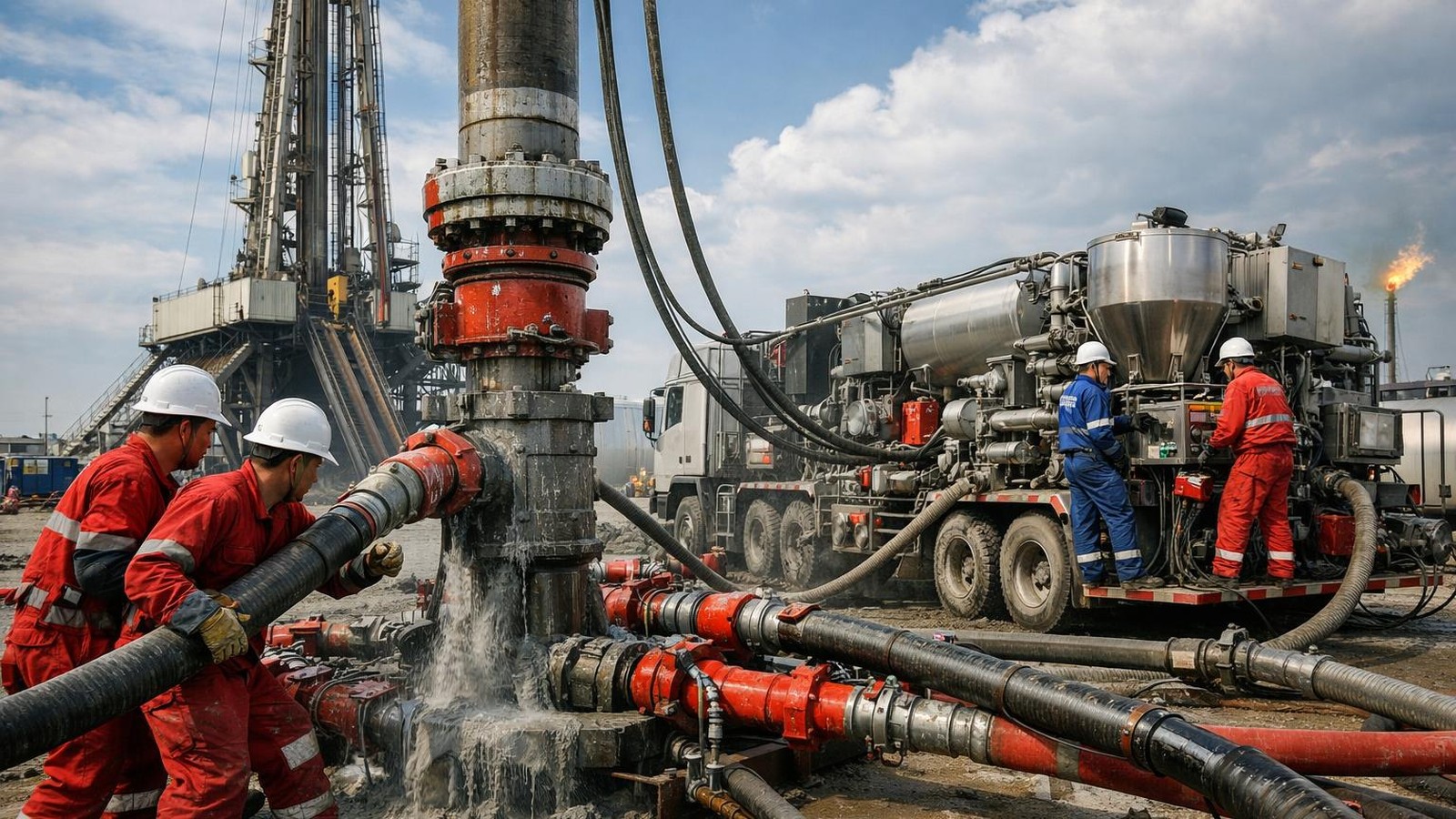
The Advanced IADC Mud Engineering Course is a specialized technical training program designed for professionals working with drilling fluids in the oil and gas industry. The course provides advanced knowledge of drilling fluid systems, their design, maintenance, and optimization during drilling operations. Participants will gain a deeper understanding of the chemical and physical properties of drilling fluids and how they affect drilling performance, wellbore stability, formation protection, and overall operational efficiency.

This advanced-level course builds upon fundamental mud engineering concepts and focuses on troubleshooting complex drilling fluid problems, optimizing mud systems for different formations, and understanding the interaction between drilling fluids and downhole conditions. Participants will also learn about environmental considerations, safety practices, and industry standards established by the International Association of Drilling Contractors (IADC).

Through a combination of theoretical lectures, case studies, laboratory demonstrations, and practical exercises, participants will develop the skills needed to manage drilling fluid systems effectively in challenging drilling environments such as high-pressure high-temperature (HPHT) wells, directional drilling, and offshore operations.

Course Objectives

By the end of this course, participants will be able to understand and apply the key concepts, tools, and practices covered in the program.

Audience

This course is designed for professionals involved in drilling operations, including:

Mud Engineers and Drilling Fluid Specialists

Drilling Engineers

Petroleum Engineers

Wellsite Supervisors

Drilling Operations Personnel

Oilfield Service Company Engineers

Field Drilling Technicians

Professionals seeking advanced knowledge in drilling fluid systems

Prerequisites

No formal prerequisites are required. Relevant education or industry experience is beneficial.

Course Content

Module 1 – Advanced Drilling Fluid Fundamentals

Role of drilling fluids in modern drilling operations

Functions and performance requirements of drilling fluids

Overview of advanced drilling fluid systems

Module 2 – Drilling Fluid Chemistry

Chemical composition of drilling fluids

Water-based mud systems

Oil-based and synthetic-based mud systems

Additives used in drilling fluids

Module 3 – Drilling Fluid Properties and Testing

Rheological properties of drilling fluids

Filtration control and fluid loss management

Density and pressure control

Laboratory testing procedures

Module 4 – Solids Control and Mud Maintenance

Solids control equipment and technologies

Cuttings removal efficiency

Mud dilution and conditioning

Waste management and environmental considerations

Module 5 – Wellbore Stability and Formation Interaction

Formation pressure and fracture gradient

Shale stability and clay interactions

Differential sticking and pipe sticking prevention

Lost circulation prevention and treatment

Module 6 – Troubleshooting Drilling Fluid Problems

Diagnosing drilling fluid contamination

Managing high-temperature drilling fluids

Handling gas-cut mud

Mitigating fluid loss and wellbore instability

Module 7 – Advanced Drilling Environments

High Pressure High Temperature (HPHT) wells

Deepwater drilling challenges

Directional and horizontal drilling considerations

Managed pressure drilling interactions with mud systems

Module 8 – Environmental and Safety Considerations

Environmental regulations for drilling fluids

Handling hazardous drilling fluid chemicals

Waste disposal and environmental protection

Health and safety procedures in mud operations

Module 9 – Case Studies and Practical Applications

Real-world drilling fluid challenges

Mud system optimization examples

Lessons learned from complex drilling projects

Interactive troubleshooting scenarios

comments (0)

leave a comment